West Pinecrest Pre-Listing Checklist for Miami Sellers
If you own a home on the west side of Pinecrest (33156), you are already used to a quieter rhythm than the village’s busier corridors—more driveway privacy, deeper setbacks, and buyers who often say they are looking for “estate feel” without naming a single comp that actually fits your street. That is exactly why the most productive listing consultations do not start with a napkin sketch of the market. They start with your facts, your timeline, and a shared vocabulary about how west Pinecrest behaves as its own micro-market.
This guide is a checklist and decision framework for sellers preparing to meet with a listing agent. It is not legal or tax advice, and it does not replace confirming school assignments, HOA rules, and insurance requirements on the official sources that govern your property.
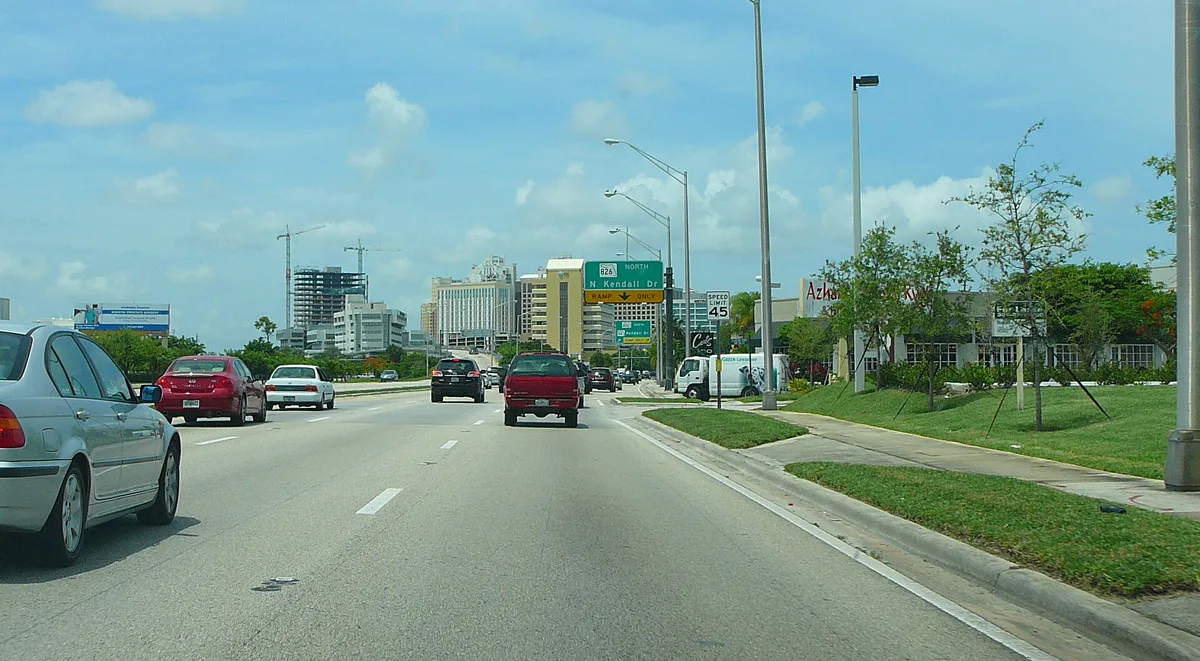 Tree-lined civic corridors help explain why Pinecrest buyers respond to setting and approach as much as square footage—especially on the west side, where privacy and mature landscaping often anchor value.
Introduction
On Joanna Jimenez, the framing is direct: sellers deserve micro-neighborhood data, not ZIP-code theater. The same About narrative describes West Pinecrest as the village’s most private, secluded inventory band—where limited turnover can mean premium pricing when the right estate comes to market, and where buyers often read “west” as calm, green, and set back more than “close to everything.”
Your consultation should translate that story into a plan: pricing evidence, marketing channels, prep scope, and risk management (timing, tenants, repairs, disclosures). Use the sections below as a packing list for your meeting—whether you are interviewing one agent or comparing two.
For ongoing seller education in Pinecrest and Kendall, the Market Insights hub publishes neighborhood guides and market analysis you can read before you walk in, so your questions go deeper than basics.
Why west Pinecrest is not one comp pool
West Pinecrest is still 33156, but buyers rarely behave as if every closed sale in the ZIP is interchangeable. Tree canopy, lot shape, set-back depth, and proximity to major roads change who tours, how offers are written, and which improvements actually move value.
Before your meeting, write down answers to three prompts your agent can stress-test with data:
- Which pocket of west Pinecrest best describes you? (north vs south vs “deep west,” corner vs interior, gated vs non-gated—use the labels you actually use with neighbors.)
- What did you fall in love with when you bought? That buyer hook often repeats when you sell—especially for west-side buyers prioritizing privacy and mature landscaping.
- What changed since you bought? Renovations, systems, insurance claims, assessments, and neighborhood projects belong in the same sentence as “value,” not as afterthoughts.
If schools matter to your buyer pool, treat attendance boundaries and magnet programs as live data: confirm on Miami-Dade County Public Schools and each school’s official site. Neighbor rumors and old printouts are not a closing-safe foundation.
Documents and facts to bring
Bring originals or clean PDF scans where possible; your agent may recommend redaction for identity safety before anything is shared digitally.
- Ownership and identity: vesting deed, trust documents if applicable, and co-owner contact information.
- Mortgage and lien summary: recent payoff quotes or loan servicer contacts, HELOC statements, and any assessment notices.
- Property tax and exemptions: TRIM notice, homestead status, and any portability questions you want modeled.
- Insurance: declarations page, flood zone documentation if relevant, and notes on claims in the last five years.
- HOA / architectural committee: covenants, approval letters for past work, pending violations, and reserve study highlights if you have them.
- Utility and systems: age of roof, HVAC, water heater, generator, impact protection, and any major repair invoices.
If you already have a pre-list inspection or engineer letter, bring it—even if you disagree with parts of it. The goal in a consult is to choose what to repair, what to disclose, and what to price around, not to pretend problems do not exist.
Property story: improvements, systems, and constraints
West Pinecrest buyers often pay attention to quiet enjoyment: generator readiness, pool equipment placement, fence lines, guest house permitting, and anything that affects nighttime noise or setback perception. Build a one-page timeline:
- Capital improvements with approximate dates and ballpark spend (you do not need receipts for a first meeting, but know what exists).
- Permitted vs unpermitted work—if you are unsure, say so explicitly so your agent can recommend verification paths.
- Ongoing projects (landscape redesign, dock maintenance, interior punch list) and whether you want to sell as-is, prepay polish, or use a financed pre-sale program such as Compass Concierge—discussed in depth on the publisher’s Concierge analysis if that path is on your radar.
Timing, privacy, and how you want to sell
Be candid about why now and what would make you pause a launch:
- Relocation deadlines, school years, and job start dates.
- Tenant occupancy or multigenerational households that affect showing windows.
- Privacy preferences—if you need discretion, say it early so your agent can compare MLS exposure vs quiet outreach without promising outcomes no one can guarantee.
Add three operational details that often get skipped until the week of photography:
- Showing rules you will not bend (pets, nanny schedules, work-from-home calls, pool safety) so your agent can write showing instructions that protect your household while keeping momentum.
- Vendor access you are willing to pre-authorize (tree trimmers, window cleaners, stagers) versus work you want quoted before anyone crosses the property line.
- Your “minimum viable launch” date—the earliest day you could tolerate a sign, a digital campaign, and neighbor text messages—so pricing and prep stay synchronized instead of rushed.
If you want a primer on private-sale tradeoffs, read the publisher’s off-market luxury Pinecrest guide before the meeting so you can ask sharper questions about buyer pool and pricing discovery.
Questions to ask in a listing consultation
Use this block as a script. You do not need to sound like an attorney—you need clear deliverables.
- Which closed sales and actives are true peers for my micro-pocket—not just my ZIP? Ask how each comp was adjusted for lot, condition, and buyer pool.
- What is your pricing strategy if we launch and feedback is lukewarm in the first fourteen days? You want a pre-agreed review trigger, not improvisation.
- How will you market to the buyer profiles you believe fit my home? Families, physicians relocating, and estate buyers are different audiences; your About page explicitly calls out tailored marketing for Pinecrest and Kendall audiences—ask how that shows up in your plan.
- What prep has ROI vs theater for my price band? Bring photos of comparable listings you admire and ask what actually moved the number.
- How do you handle inspections, appraisal gaps, and multiple offers? Experience matters when west-side homes attract competitive but detail-heavy offers.
- What does communication look like week to week? Ask for a default cadence for feedback summaries, showing metrics, and pivot recommendations after launch.
- How do you coordinate with Compass resources (photography standards, digital campaigns, Concierge workflows) without turning your home into a revolving door of vendors?
Bring one “anxiety scenario” to stress-test experience: an appraisal below contract, a buyer who wants credits after inspection, or a neighbor dispute about a fence line. You are not looking for bravado—you want a clear playbook that matches how you like decisions made.
What should happen after the meeting
You should leave with a written summary or follow-up email that includes: recommended list range (or a pricing workflow if data is still missing), a prep checklist, a marketing outline, and a timeline to photography, staging decisions, and documents for title. If numbers like list-to-sale performance matter to you, ask how those statistics are calculated and what window they cover—the About page cites a 98% list-to-sale price ratio and $500M+ in career sales as headline proof points you can verify on the live site at publish time.
When you are ready to translate this checklist into a custom strategy, use the site’s consultation pathway and direct contact options listed on About Joanna Jimenez—phone (305) 302-6384 and joanna.jimenez@compass.com appear on-page for scheduling.
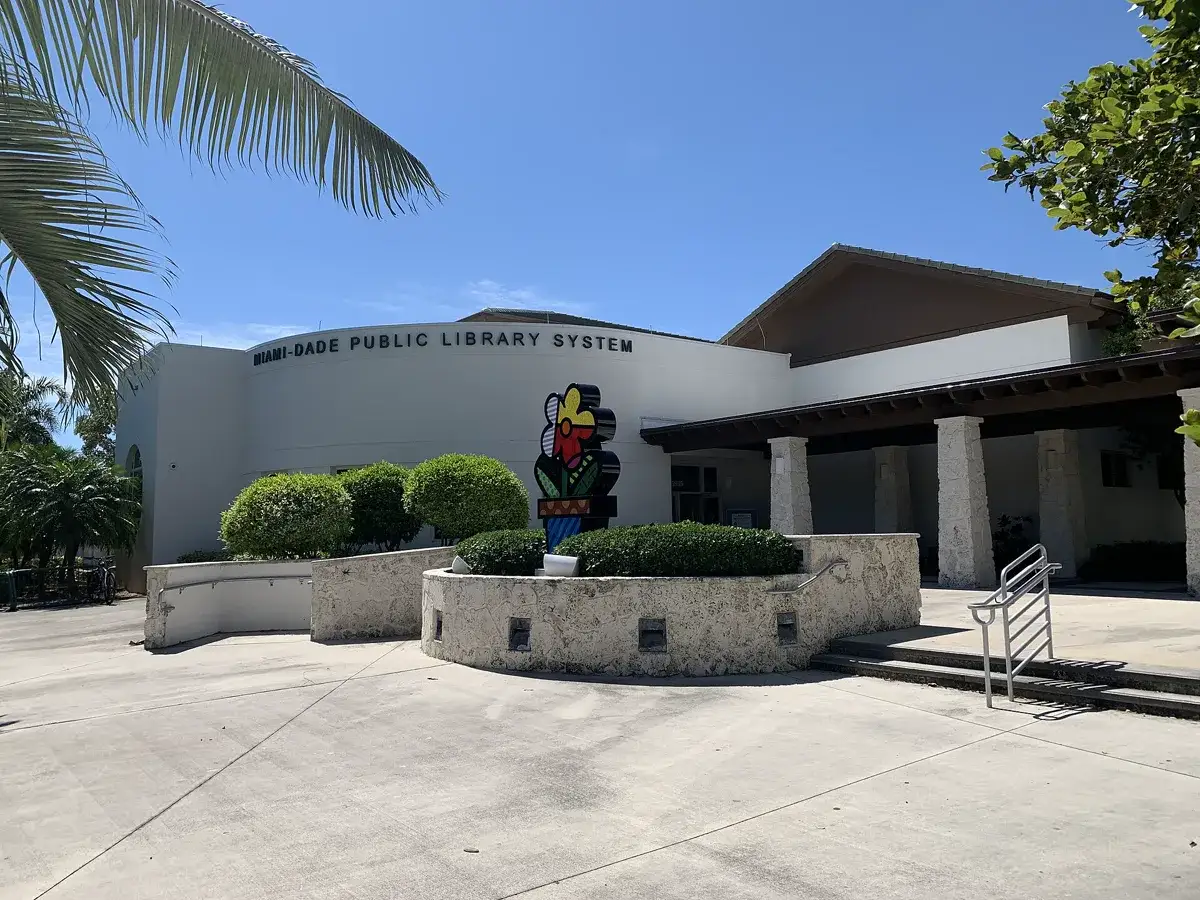
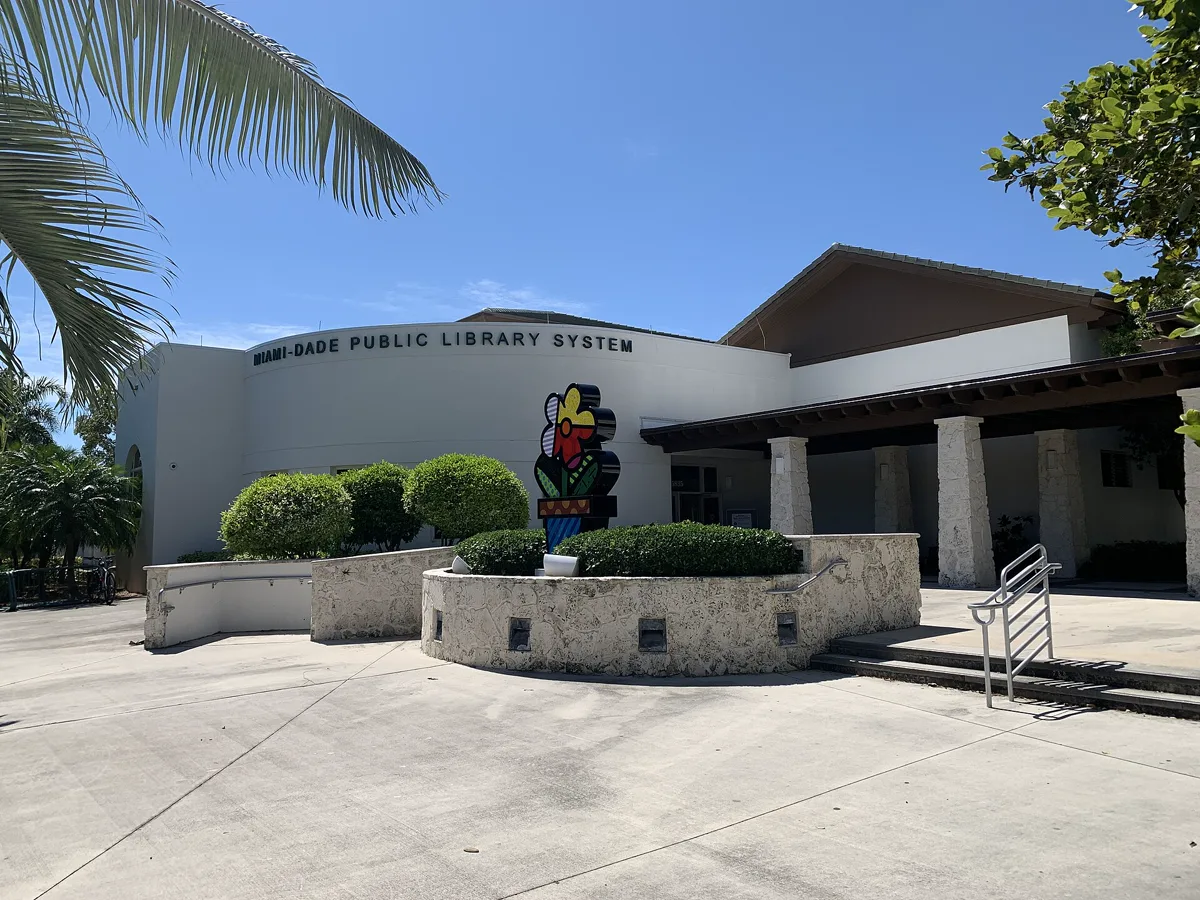 Institutional anchors like the Pinecrest library cluster help orient buyers who care about village services and walkable civic life—useful context when your home’s story includes schools, programs, and daily routines.
Closing
A west Pinecrest listing is rarely “just another 33156 sale.” The consult goes better when you treat it like a strategy session: bring documents, be honest about constraints, and ask for micro-neighborhood evidence that matches how buyers actually tour and compete in your pocket. Start with the West Pinecrest area guide · Sell in West Pinecrest · Free valuation.
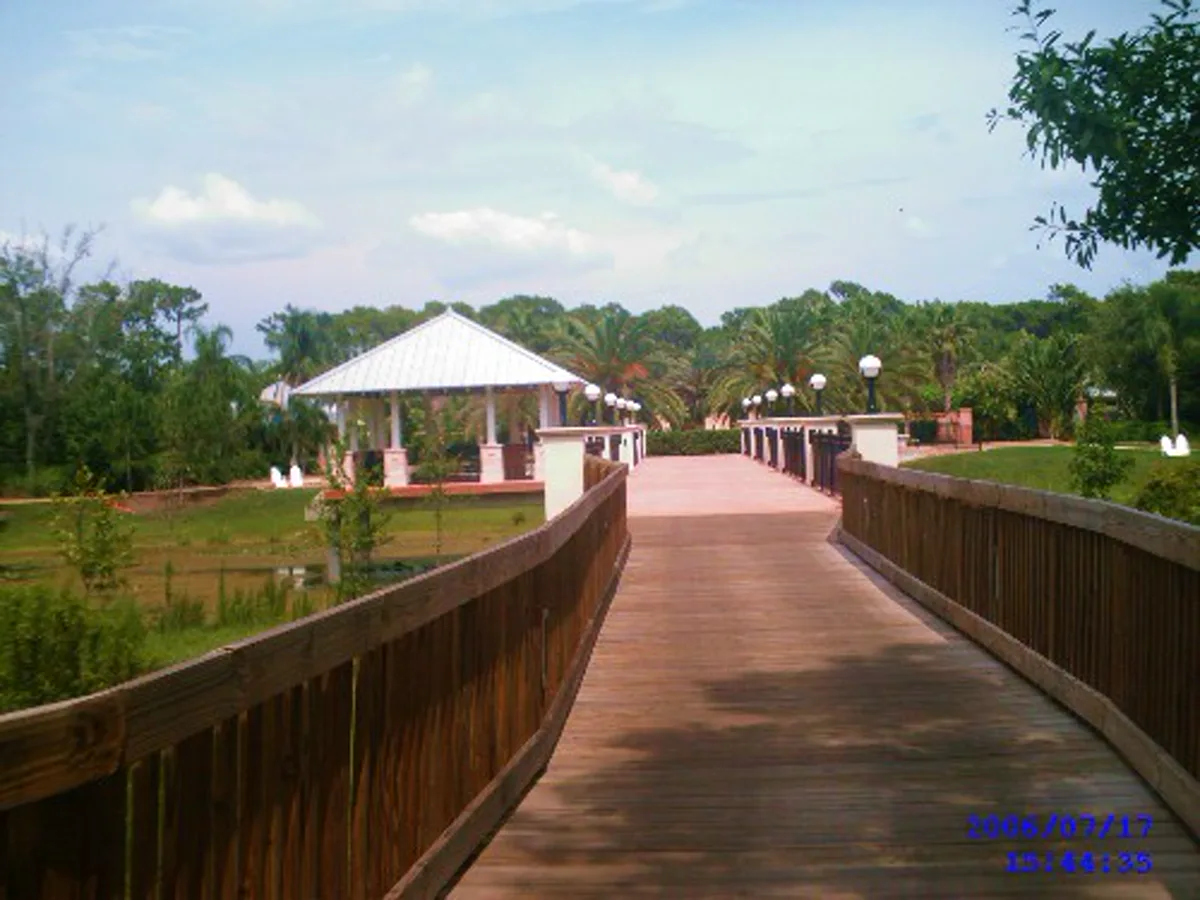 Dense South Florida canopy and mature palms are part of the region’s residential backdrop; they are not a depiction of a specific listed property.
Real estate is local and changes quickly. Figures, awards, ratios, and program terms on third-party or agent pages should be confirmed on the live site and with your professional advisors before you rely on them for decisions.
Selling in Pinecrest?
Get a free valuation or explore seller services for ZIP 33156.