Pinecrest and Kendall Hurricane Season Listing Checklist for Sellers

Pinecrest and Kendall Hurricane Season Listing Checklist for Sellers
If your home is coming to market between late spring and early fall, a real Pinecrest and Kendall hurricane season listing checklist has to do more than cover staging and photography. In 33156 and 33176, buyers notice storm-readiness fast: shutters or impact glass, tree canopy, prior leak history, roof documentation, and whether the seller already has the right answers before contract paperwork starts.
That matters because the stakes are not small. On Joanna's seller page, the promise is micro-neighborhood pricing—not a blended ZIP average—while Joanna highlights a 98% list-to-sale ratio and an average of 30 days on market for her own listings. In a market like that, hurricane-season prep is not a side chore. It is part of how you protect buyer confidence before the first serious showing.
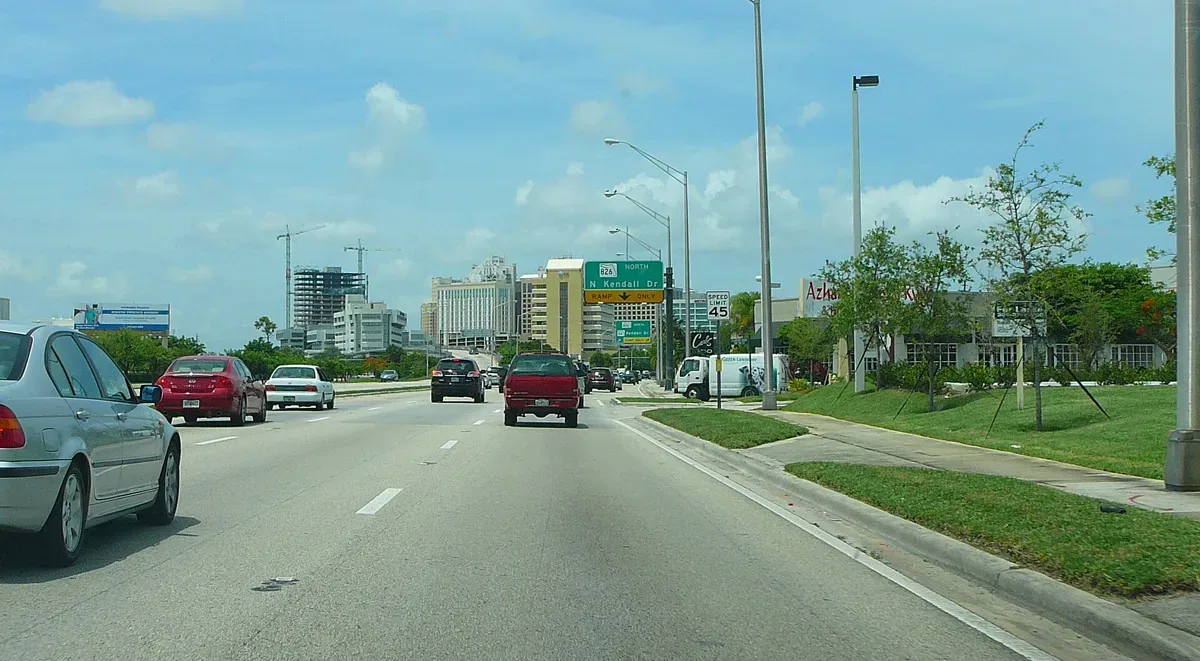 Pinecrest's mature canopy is part of the neighborhood's appeal, but during hurricane season it also turns landscaping, drainage, and tree maintenance into visible parts of the seller story.
Why hurricane season changes listing prep in Pinecrest and Kendall
Miami-Dade's Severe Weather and Emergency Readiness Guide says hurricane season runs from June 1 to November 30 and notes that the county is particularly susceptible to flooding from major rain events and storm surge. Even if your house never takes on water, that local backdrop changes the questions buyers, inspectors, and insurers bring into a summer transaction.
The legal clock is also shorter than many sellers assume. Under Florida Statute 689.302, the flood disclosure must be provided at or before the time the sales contract is executed. That sounds like a contract-stage issue, but smart sellers do the homework earlier. By the time an offer is on the table, you do not want to be reconstructing roof work, old claims, or flood-related history from memory.
The practical shift is simple: hurricane season makes condition, documentation, and timing feel connected. A buyer looking at your landscaping, roofline, windows, garage door, and outdoor drainage is not evaluating those items only as maintenance. They are also reading risk, insurance friction, and future negotiation leverage.
| Timing window | What to confirm | Why it matters |
|---|---|---|
| Before photos | Storm-readiness basics, visible exterior condition, and whether repairs or cleanup are still worth doing | First impressions set the tone for every later diligence question |
| Before showings | Your short explanation of any known water, roof, or opening-protection history | Buyers trust calm, consistent answers more than vague reassurance |
| Before contract | Flood-disclosure facts, permit notes, claims summary, and supporting paperwork | This is when preventable surprises start costing time or leverage |
Storm-readiness items buyers and inspectors notice first
Miami-Dade's Prepare Windows and Doors page gives a useful baseline: windows and doors should be secured with county-approved storm shutters or 5/8-inch plywood, tape does not prevent windows from breaking, impact-resistant glass can help reduce insurance costs, and garage doors should be reinforced or replaced with a hurricane-tested door. You do not need to turn an article like this into a contractor bid sheet, but you should know what story your house tells on those points before you go active.
For most Pinecrest and Kendall sellers, the high-value checks are:
- whether your windows and doors are impact-rated, shutter-protected, or still dependent on an emergency boarding plan;
- whether the garage door setup looks current and documented enough to answer buyer questions cleanly;
- whether roof, fascia, or soffit issues are already visible enough to invite inspection anxiety;
- and whether the yard reads as intentionally maintained rather than storm-vulnerable.
Tree care belongs on that list too. Miami-Dade's Tree Preparation for Hurricanes page says owners should prune several months before hurricane season, should not start pruning during a Hurricane Watch or Hurricane Warning, and should avoid topping, hatracking, or removing more than 25 percent of a canopy. That is more than safety advice. It is also launch advice. Last-minute, sloppy trimming can make a luxury property look reactive rather than well-managed.
 Kendall buyers often compare homes against daily-drive corridors, schools, and commute patterns at the same time, so visible storm-readiness tends to be folded into a broader judgment about how carefully a property has been maintained.
Paperwork to gather before your listing goes live
The documents-only version of this process is already covered in Joanna's published seller records checklist. For hurricane season, the useful move is narrowing that broader file into the pieces most likely to matter in weather-sensitive buyer diligence.
Start with the flood side. Florida's statutory flood disclosure asks whether you know of flooding damage during your ownership, whether you filed a flood-related insurance claim, and whether you received flood-damage assistance including FEMA assistance. That is one bucket.
Then look at the broader transaction bucket. Florida Realtors' standard Seller's Property Disclosure - Residential form asks more than the statute does. It includes water intrusion, drainage or flooding problems, whether the property sits in a special flood hazard area, whether flood insurance is required, whether an elevation certificate exists, roof age and leak history, and whether active permits remain open or improvements were done without necessary permits.
That means the best pre-launch file is usually not a giant binder. It is a short, usable packet:
- your answers to the flood-disclosure questions as you understand them today;
- any roof, window, door, or garage-door invoices worth keeping handy;
- permit finals or contractor paperwork for storm-relevant upgrades;
- a simple claims timeline if the property has prior water or wind history;
- and any elevation certificate or flood-zone material already in your records.
When sellers skip this step, the same pattern shows up over and over: the marketing starts, a buyer gets serious, and then someone has to untangle years of improvements or insurance events under deadline. That is avoidable.
How to handle past water intrusion and flood questions
This is the section many owners dread, usually because they assume every prior issue has to be framed as a disaster. It does not. But it does have to be framed accurately.
The first distinction to keep straight is that statutory flood disclosure and broader water intrusion history are not always the same conversation. Florida's flood-disclosure statute is specific. The broader Florida Realtors seller form is broader. Buyers and inspectors may ask about both. If you had a roof leak, a plumbing incident, standing water from a major rain event, or a repair that touched drywall, flooring, or cabinetry, the better approach is to organize the facts now rather than minimize them loosely later.
A clean seller explanation usually includes four parts:
- what happened,
- when it happened,
- who evaluated or repaired it,
- and what documentation still exists.
If the answer is, "Nothing occurred during our ownership," that is easy. If the answer is, "There was an event, but it was repaired," the goal is not to dramatize it or bury it. The goal is to keep your explanation consistent with the documents you have. Buyers tend to get nervous when the story changes, not simply when a house has a history.
This is also where early agent review helps. If you are unsure whether an older issue belongs in the flood-disclosure bucket, the broader seller-disclosure bucket, or both, sort that out before the contract stage. Ambiguity is easier to manage in a strategy meeting than in the middle of negotiations.
Timing photos, showings, and launch windows around storm risk
Joanna's published best time to sell in 33156 guide says Pinecrest's peak selling season is January through April and the slowest stretch is July through August. That does not mean you cannot launch in summer. It means a summer or early-fall listing has to feel more buttoned-up because you are asking buyers to act when weather friction is more visible and the buyer pool can be thinner.
The timing playbook is usually:
- Two to four weeks before launch: inspect your storm-readiness narrative, finish any worthwhile cleanup, and confirm which records are easy to hand over.
- One week before photos: make sure exterior presentation is clean, obvious debris is gone, and no "we still need to deal with that" item is sitting in the frame.
- If a watch or warning appears: stop treating the calendar as fixed. Miami-Dade specifically says not to begin pruning during a Hurricane Watch or Hurricane Warning. At that point, protection beats promotion.
Sellers sometimes worry that moving photography or open-house timing looks weak. In practice, buyers understand weather. What they do not love is a listing that feels unprepared for obvious South Florida realities. A one-week shift is usually less damaging than launching with unresolved storm-prep optics or answering basic condition questions with guesswork.
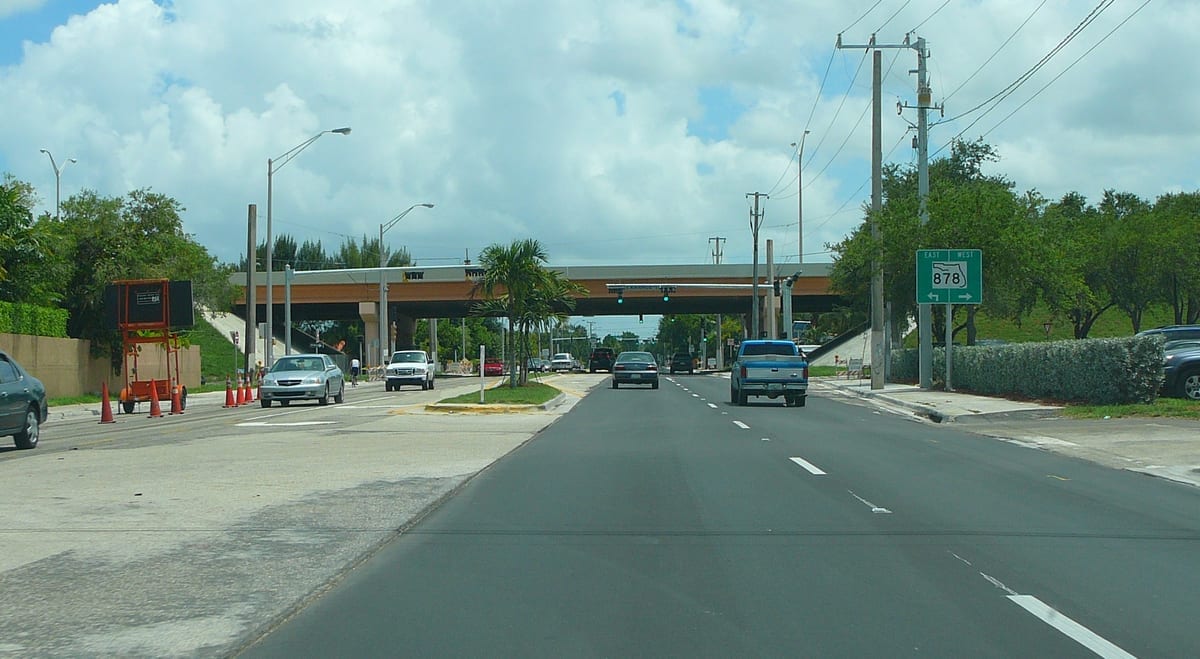 Kendall launch timing is never just about a date on the calendar; it is also about whether the property looks disciplined and ready when buyers start comparing homes across multiple submarkets.
What to bring to a consultation with Joanna
Joanna's process on the sell page starts with valuation and pricing, then moves into preparation, marketing launch, showings, offers, and closing. That sequence works best when you arrive with enough information to make decisions, not just ask abstract questions.
For a hurricane-season listing consultation, bring:
- your best current understanding of any flood, leak, or claims history;
- roof, window, door, garage-door, or drainage documentation that still exists;
- permit paperwork for visible upgrades buyers are likely to ask about;
- notes on any unresolved maintenance items you are debating fixing before launch;
- and your own priority list: speed, privacy, prep scope, or maximum price.
That last point matters because Pinecrest and Kendall are not interchangeable. Joanna's positioning is built around micro-neighborhood pricing rather than generic ZIP-code averages. The same storm-season issue can land differently depending on whether the home is competing in a Pinecrest estate lane, a family-driven Kendall move-up lane, or a more convenience-oriented submarket near major corridors.
If the file is even moderately organized before the meeting, the conversation can stay where it should stay: which issues affect positioning, which issues are just documentation tasks, and which issues are worth solving before the first photographer or buyer ever walks in.
Next step for 33156 and 33176 sellers
If you are planning a late-spring, summer, or early-fall launch, the smartest move is not waiting for a storm to force the conversation. It is getting your facts straight while you still have time to choose the right prep level.
Use this article as a filter:
- What on the property needs a condition check?
- What in your file needs a document check?
- What in your memory needs confirmation before it becomes a negotiation topic?
Then use Joanna's Market Insights library for adjacent seller guidance, and schedule a consultation if you want to decide what is worth fixing, documenting, or simply explaining before your listing goes live.
This article is educational and is not legal, tax, insurance, or contractor advice. Disclosure obligations and repair priorities vary by property, so confirm the details that apply to your home with the official source and the appropriate professionals before you rely on them in a transaction.
Selling in Pinecrest & Kendall?
Get a free valuation or explore seller services for ZIP 33156 and 33176.